









Not long ago, calling in sick usually meant one thing.
You had a fever, a cough, food poisoning or some other physical illness that made it impossible to work.
If you looked healthy, many workplaces expected you to show up, log in and keep going.Today, that conversation is changing.
A growing number of Gen Z workers are talking openly about mental health leave.
They are taking days off not because they have the flu, but because they are emotionally exhausted, overwhelmed, anxious or burnt out.
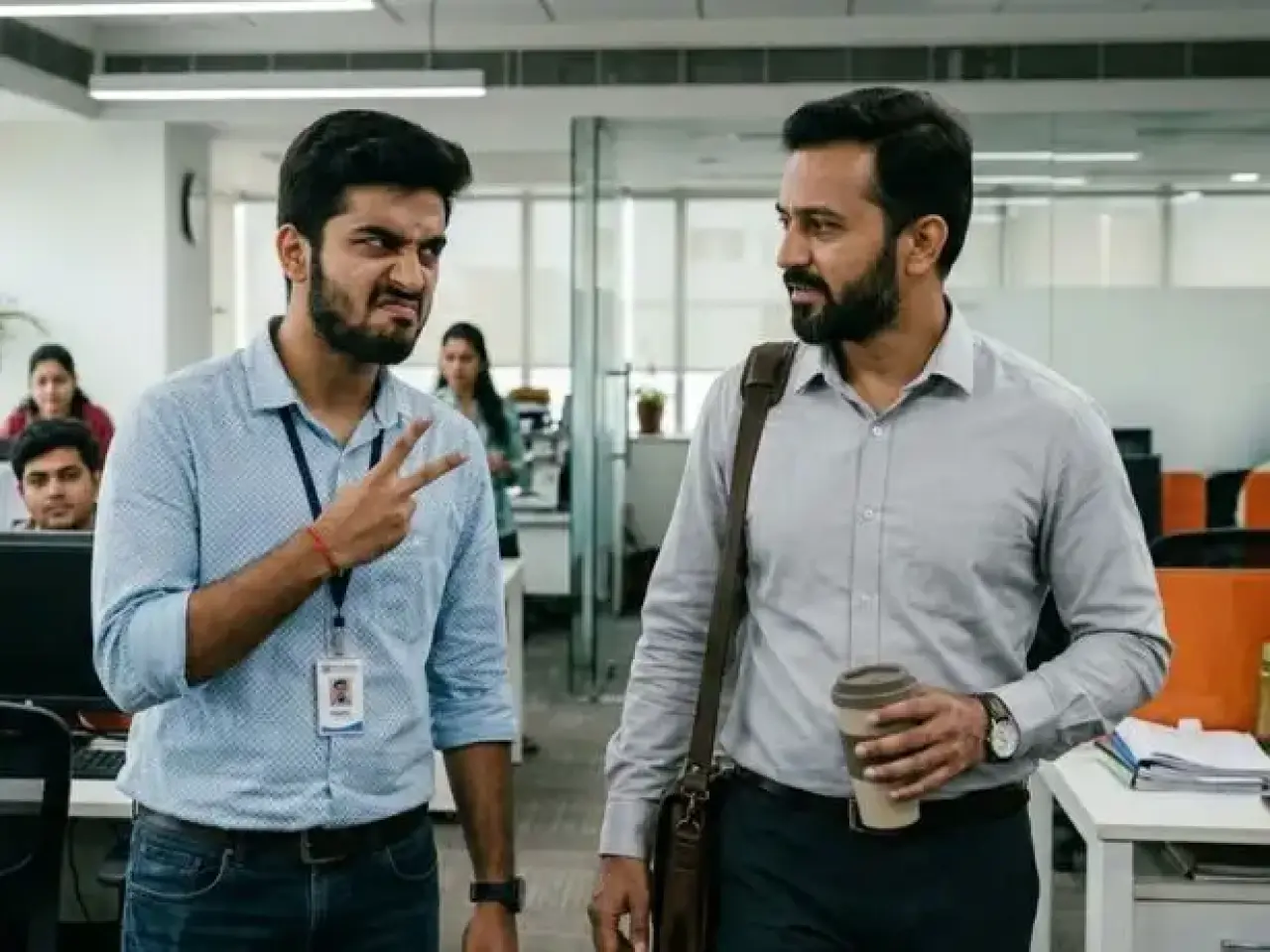
In many workplaces, this has started a larger debate.
Should mental health struggles be treated the same way as physical illness?
And are young workers redefining what a sick day means?The discussion is becoming impossible to ignore.
Whether people agree with the trend or not, Gen Z is pushing companies to rethink old workplace ideas and have more honest conversations about wellbeing.One of the biggest differences between Gen Z and previous generations is how openly they discuss mental health.
Older workers often grew up in workplaces where stress was considered a normal part of the job.
Talking about anxiety, burnout or emotional exhaustion was sometimes seen as a sign of weakness.Gen Z approaches the issue differently.
Many young employees see mental health as an important part of overall health.
For them, emotional wellbeing is not separate from physical wellbeing.
If stress affects sleep, concentration, energy levels and productivity, they argue that it should be treated seriously.This shift is visible everywhere.
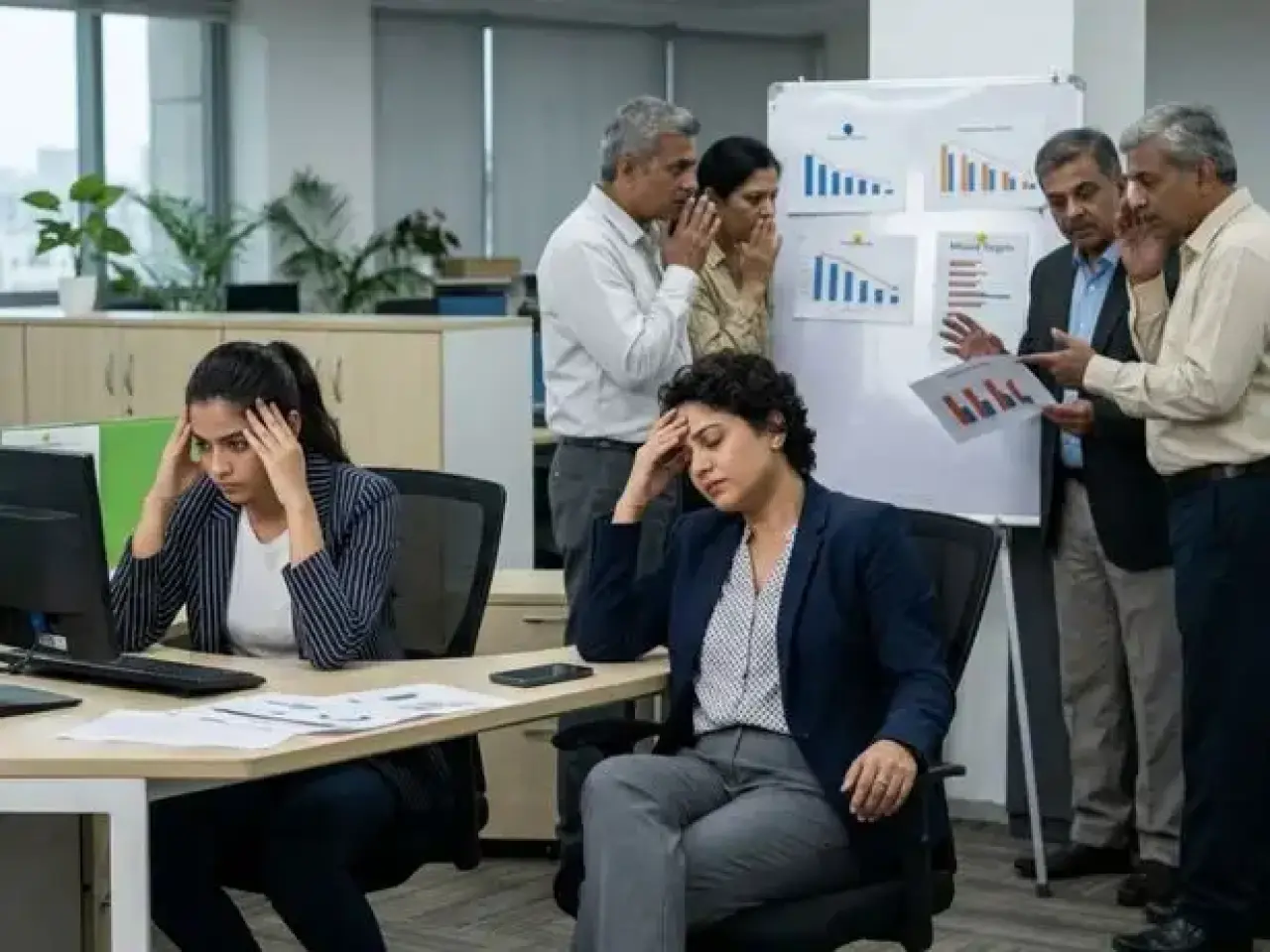
Young workers are more likely to discuss therapy, workplace stress and burnout with friends, colleagues and even managers.
Topics that were once kept private are now part of everyday conversations.
As a result, taking a mental health day no longer feels unusual to many people entering the workforce.A major reason behind the mental health leave conversation is burnout.
Many young workers say they feel pressure from multiple directions at once.
There are career goals, financial worries, rising living costs, social expectations and the constant presence of technology.Unlike previous generations, many employees remain connected to work long after office hours.
Emails, messages and notifications can create a feeling that work never truly ends.
Even when someone is technically off duty, they may still be thinking about deadlines or responding to messages.Imagine a young employee who has spent weeks handling back-to-back projects while also dealing with personal stress.
They may not have a fever or an injury, but they may still struggle to focus, make decisions or perform well.
Gen Z workers often argue that taking one day to recover can be better than working through exhaustion until a bigger problem develops.The pandemic played a major role in changing workplace attitudes toward mental health.
During that period, people across age groups experienced uncertainty, isolation and stress.
Discussions about emotional wellbeing became much more common.Many employees began paying closer attention to how work affected their mental state.
Companies also started talking more openly about wellness, flexibility and employee support.
Although workplace practices vary widely, the pandemic helped create an environment where mental health discussions became harder to dismiss.For Gen Z, many of whom entered the workforce during or shortly after that period, these conversations felt normal from the beginning.
As a result, they often expect employers to take mental wellbeing seriously rather than treating it as an afterthought.The rise of mental health leave has also created disagreements.
Some critics believe young workers are too quick to take time off.
They argue that every stressful day cannot become a sick day and that work naturally involves pressure.Others worry that mental health leave can be difficult to measure.
A fever can be confirmed with a thermometer, but emotional exhaustion is more complicated.
This has led some managers to question how mental health leave should be handled fairly and consistently.However, supporters of mental health leave make a different argument.
They say mental health struggles are real even when they are not visible.
Ignoring them does not make them disappear.
Instead, it can lead to lower productivity, disengagement and long-term burnout.The debate continues, but one thing is clear: workplaces are now discussing issues that were rarely part of office conversations in the past.Bollywood has also begun exploring themes related to emotional wellbeing, workplace pressure and personal struggles.
A recent example is , where the emotional burden carried by the central character becomes an important part of the story.
While the film is not specifically about workplace mental health leave, it reflects a larger cultural shift toward acknowledging emotional challenges instead of ignoring them.This growing visibility matters because movies often mirror changing social attitudes.
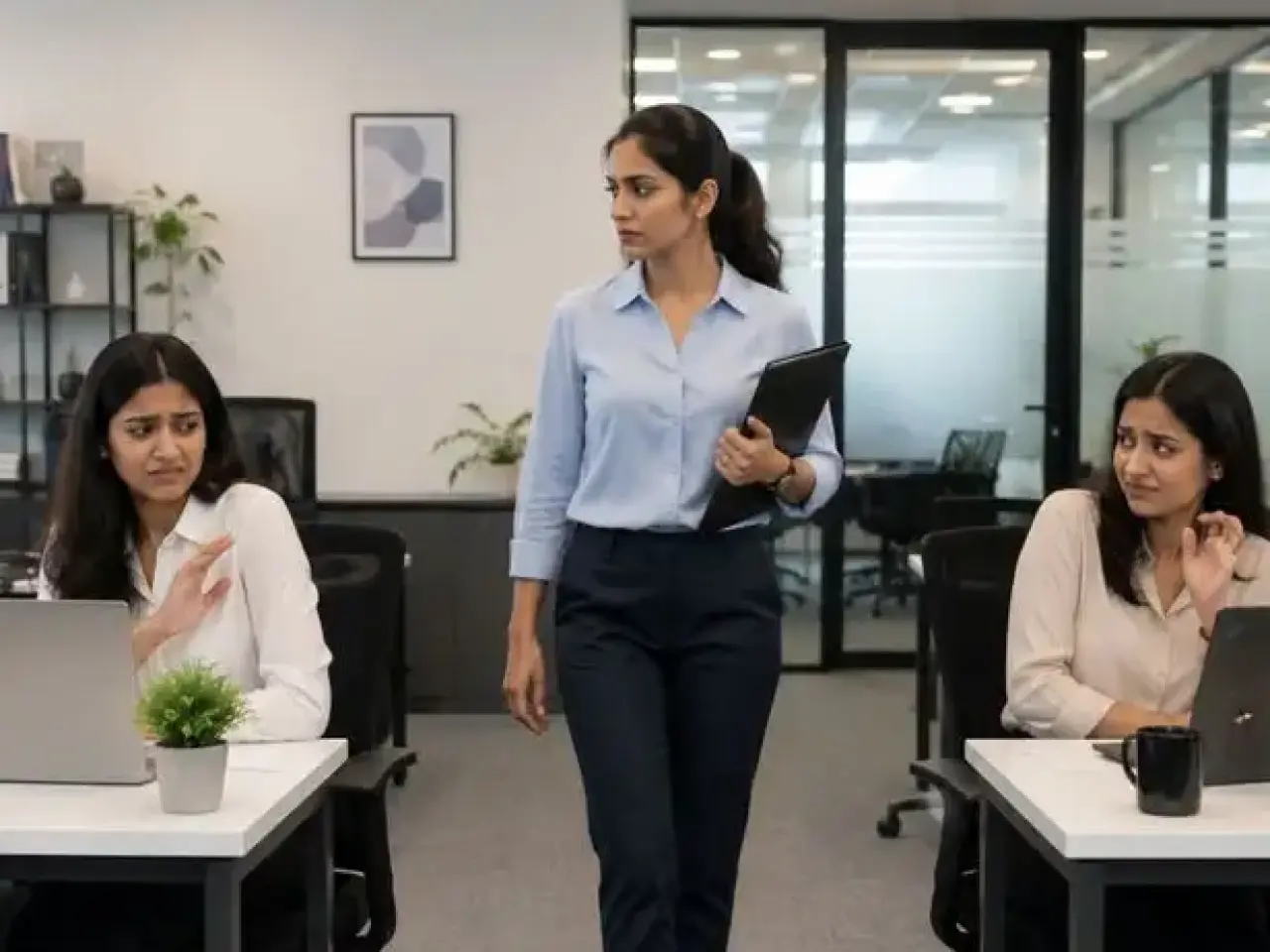
As audiences become more comfortable discussing mental wellbeing, workplace conversations are evolving as well.Some organisations have started introducing wellness initiatives, flexible schedules and dedicated mental health support.
Others encourage employees to take breaks before burnout becomes severe.
In certain workplaces, managers are being trained to recognise signs of stress and support employees more effectively.At the same time, not every company is moving at the same pace.
Some workplaces still focus primarily on traditional sick leave policies.
As a result, employees may have very different experiences depending on where they work.The challenge for employers is finding a balance.
Businesses need productivity and accountability, but they also need healthy employees.
The most successful workplaces may be the ones that recognise both realities.The bigger question is whether this trend is unique to Gen Z or whether it represents a lasting workplace transformation.
History suggests that younger generations often introduce changes that later become mainstream.Many workplace practices that seem normal today were once considered controversial.
Flexible work arrangements, casual office dress codes and remote work all faced resistance before gaining wider acceptance.Mental health leave may follow a similar path.
What begins as a conversation driven by younger employees could eventually become a standard part of workplace culture.Gen Z is not just asking for more days off.
The generation is challenging the traditional idea that sickness must always be physical.
By talking openly about burnout, anxiety and emotional wellbeing, young workers are pushing companies to rethink what health actually means in the workplace.Whether employers fully embrace the change or remain cautious, the conversation is already happening.
Mental health leave has moved from the margins into the mainstream workplace debate.
And if current trends continue, the definition of a sick day may never look quite the same again.